> Overview: Products
> Overview: News
> Overview: Service
> Overview: About
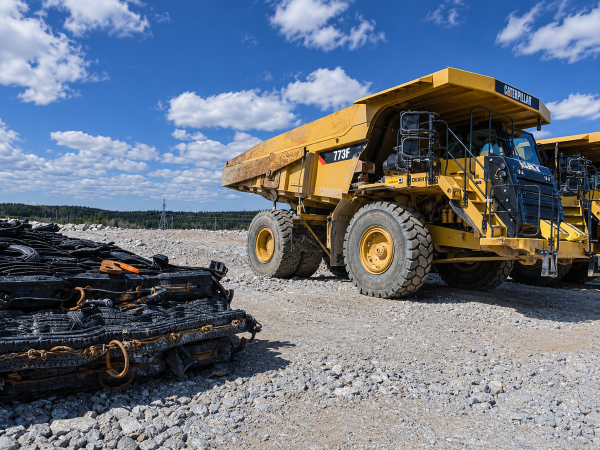
Autonomous haul trucks are transforming mining productivity, but their value depends entirely on the ability to operate safely in dynamic environments. Obstacle avoidance—detecting and responding to vehicles, personnel, rocks, and unexpected hazards—is the core capability that determines whether autonomous haulage can be deployed at scale.
Sensor Fusion as the Foundation
No single sensor can cover all conditions in a mining environment. Modern autonomous haulers combine lidar, radar, cameras, and GPS in a fused perception architecture. Lidar provides precise 3D geometry and works well in dust and darkness, while radar penetrates dust clouds and rain that degrade optical sensors. Cameras add classification capability—distinguishing a person from a rock or a light vehicle from a haul truck. GNSS establishes absolute position, and inertial measurement units maintain orientation where satellite signals are interrupted.
Detection, Classification, and Decision Making
The perception stack must not only detect an object but classify it and predict its motion. Machine learning models trained on mining-specific datasets distinguish personnel, light vehicles, heavy equipment, and debris. The planning layer then evaluates risk: a stationary rock may be avoided with a path adjustment, while a person entering the haul road triggers an immediate controlled stop. Safety envelopes and speed-dependent braking distances are configured around the vehicle's loaded mass, which can exceed 400 tonnes.
Operating in Dust, Darkness, and Bad Weather
Mining conditions challenge even robust sensor suites. Dust clouds generated by haul trucks can blind lidar and cameras over long distances. Darkness, fog, and heavy rain further degrade optical perception. Solutions include radar-first architectures for long-range detection, sensor cleaning systems, and conservative speed limits in low-visibility zones. Some operations deploy infrastructure-based sensing—fixed radar or lidar at intersections—to supplement vehicle-mounted perception.
Challenges and Outlook
Remaining challenges include standardization of safety validation, redundancy requirements for fail-safe operation, and integration with mixed fleets where autonomous and manually driven vehicles share roads. Nonetheless, as perception algorithms mature and sensor costs decline, obstacle avoidance is becoming more reliable and affordable. The next frontier is predictive avoidance—anticipating the behavior of pedestrians and light vehicles before they enter the haul route.

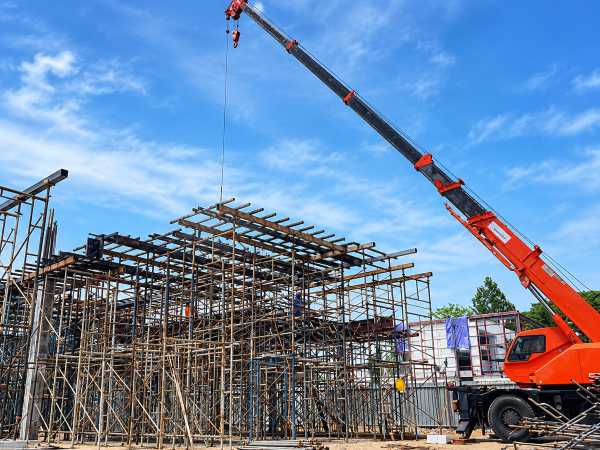
Aerial Platform Boom Vibration: Causes and Solut
253View · 2026-10-21
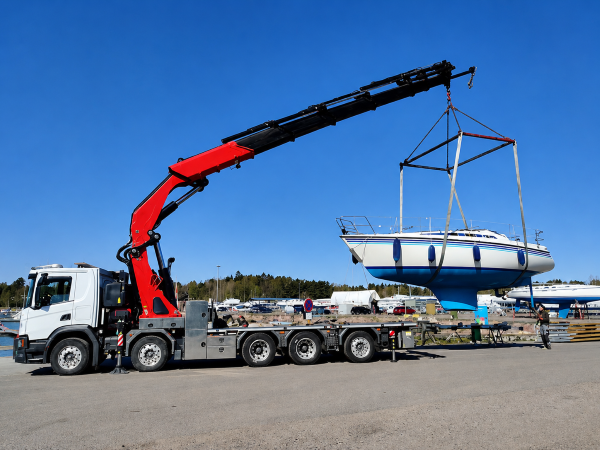
Tower Crane Wind Safety Every Site Needs
428View · 2026-09-03

Shield Machine Cutter Wear: Detection Technologi
512View · 2026-08-04
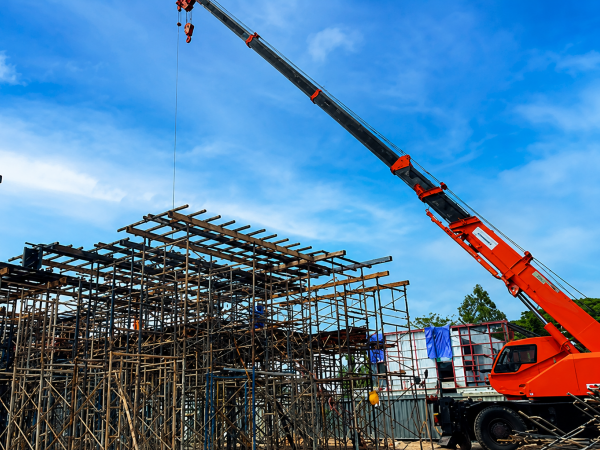
Crane Anti-Tilt Tech Boosts Safety
519View · 2026-07-28
HITACHI and GRAVIS Robotics Showcase Autonomous
1063View · 2026-06-22
Digital Technologies Drive Smarter Roadbuilding
781View · 2026-04-23
Excavator Truck Loading Techniques: Improving Ef
1233View · 2026-03-24
Topcon Positioning Systems Launches New 3D Machi
994View · 2026-03-20
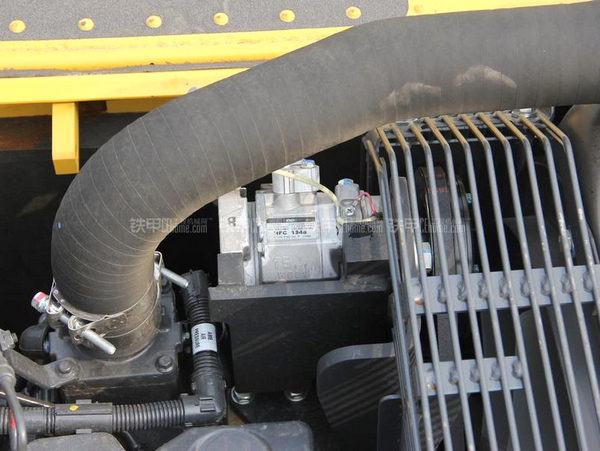
Excavator Air Conditioning: Proper Use and Maint
1347View · 2025-12-25
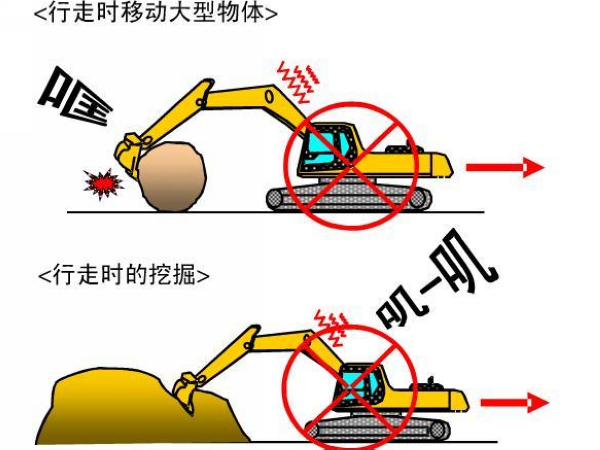
Four Prohibited Operations for Excavators
1404View · 2025-10-29
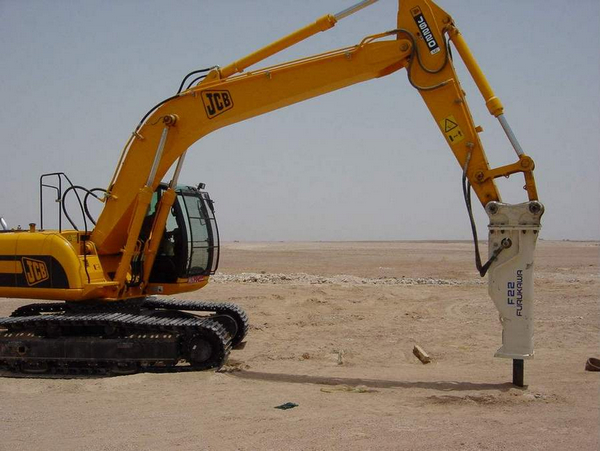
How To Properly Maintain And Use A Hydraulic Br
1577View · 2025-07-28
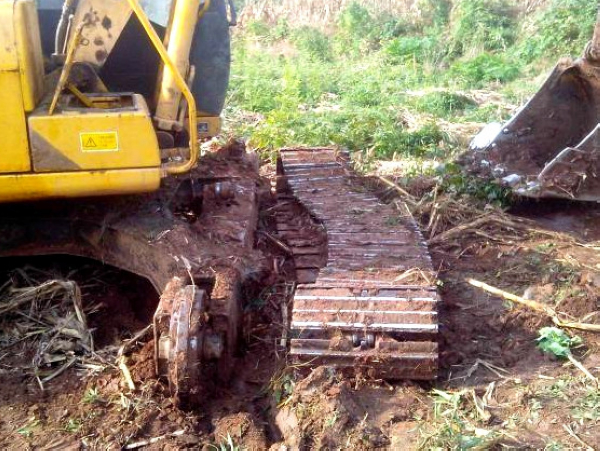
Special Techniques For Excavator Tracks
1727View · 2025-07-22
Techniques For Improving The Efficiency Of Excav
1736View · 2025-06-24
Explanation Of Excavator Slope Brushing Technolo
1737View · 2025-05-20
Troubleshooting Oil-Water Mixing in Excavator En
2449View · 2025-04-29
Prevention And Emergency Treatment Of Excavator
2261View · 2025-04-17
Hydraulic Oil Overheating Solution Skills
1772View · 2025-03-26
Scientific Use Of The Crushing Hammer
2000View · 2025-03-14
Tips About Excavator Lifting
2015View · 2025-02-18
Excavator Brush Technique Tips
2003View · 2025-01-14
2020-07-08
2019-12-25
2020-08-24
2020-01-21
2019-11-01
2019-10-15
2021-02-01
2021-01-14
2020-12-11
2020-10-26
2020-07-04
2020-09-30

+86-532-8579-6888
+86-532-8579-6888
+86-138-1796-0597
+86-189-5203-1496
Suite 2505, Block A, China Railway Qingdao Center, No. 8 Hong Kong Middle Road, Shinan District,Qingdao, Shandong Province, China