> Overview: Products
> Overview: News
> Overview: Service
> Overview: About
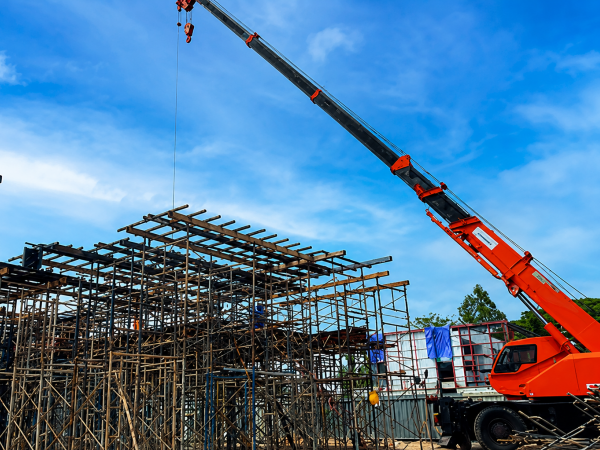
Crane operations at construction sites come with inherent risks, and tipping accidents rank among the most dangerous. To address this challenge, the industry is turning to advanced anti-tilt technology that enhances stability and protects both workers and equipment.
How Anti-Tilt Systems Work
Modern cranes are equipped with sensors that monitor load weight, boom angle, and wind speed in real time. If the system detects conditions that could lead to tipping, it automatically alerts the operator and, in some cases, limits crane movement or shuts down operations to prevent accidents. This technology provides a crucial safety buffer, especially when working on uneven terrain or in adverse weather conditions.
Key Benefits
The primary advantage of anti-tilt technology is accident prevention. By reducing the risk of tipping, these systems minimize workplace injuries, equipment damage, and costly project delays. Additionally, operators can work with greater confidence, knowing that the system provides an extra layer of protection. Enhanced safety also means fewer insurance claims and lower operational costs over time.
Industry Adoption and Future Outlook
As safety regulations tighten, anti-tilt technology is becoming standard on new crane models. Many construction firms are also retrofitting existing cranes with these systems to upgrade their safety capabilities. Looking ahead, integration with IoT and AI-driven analytics promises even smarter safety solutions, such as predictive maintenance and real-time risk assessment.


Aerial Platform Boom Vibration: Causes and Solut
28View · 2026-10-21
Tower Crane Wind Safety Every Site Needs
228View · 2026-09-03

Shield Machine Cutter Wear: Detection Technologi
319View · 2026-08-04

HITACHI and GRAVIS Robotics Showcase Autonomous
821View · 2026-06-22

Digital Technologies Drive Smarter Roadbuilding
606View · 2026-04-23
Excavator Truck Loading Techniques: Improving Ef
978View · 2026-03-24
Topcon Positioning Systems Launches New 3D Machi
804View · 2026-03-20
Excavator Air Conditioning: Proper Use and Maint
1135View · 2025-12-25
Four Prohibited Operations for Excavators
1179View · 2025-10-29
How To Properly Maintain And Use A Hydraulic Br
1373View · 2025-07-28
Special Techniques For Excavator Tracks
1514View · 2025-07-22
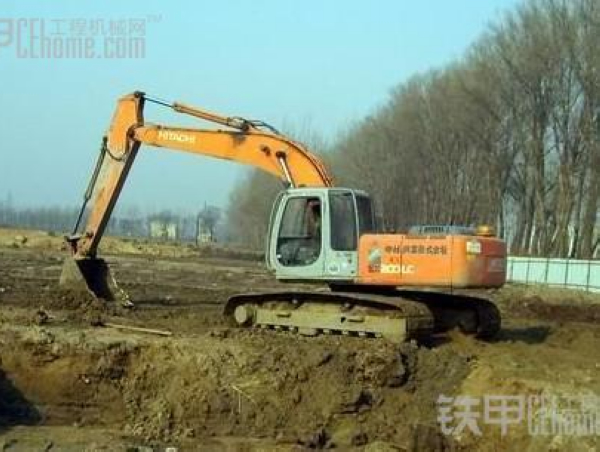
Techniques For Improving The Efficiency Of Excav
1527View · 2025-06-24
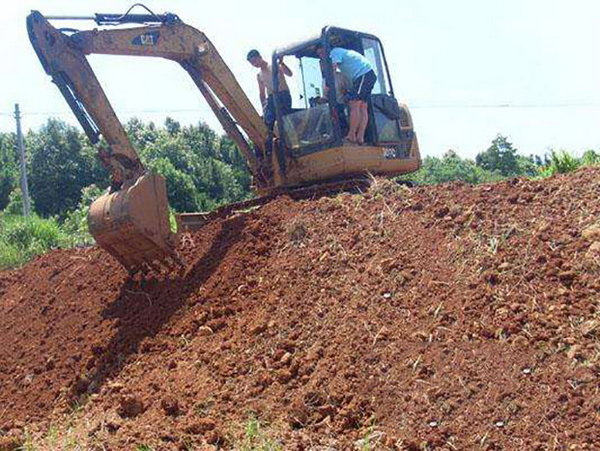
Explanation Of Excavator Slope Brushing Technolo
1511View · 2025-05-20
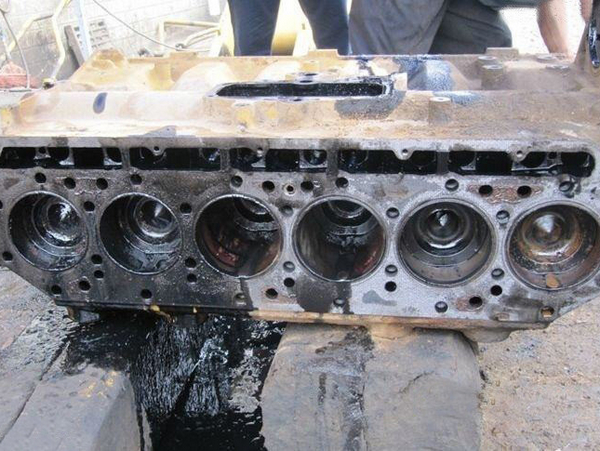
Troubleshooting Oil-Water Mixing in Excavator En
2191View · 2025-04-29
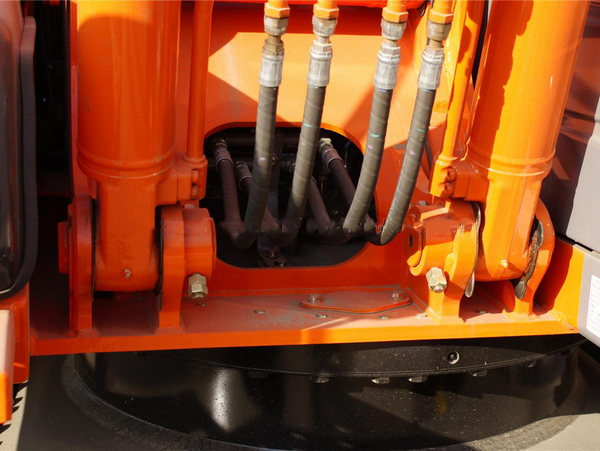
Prevention And Emergency Treatment Of Excavator
2021View · 2025-04-17
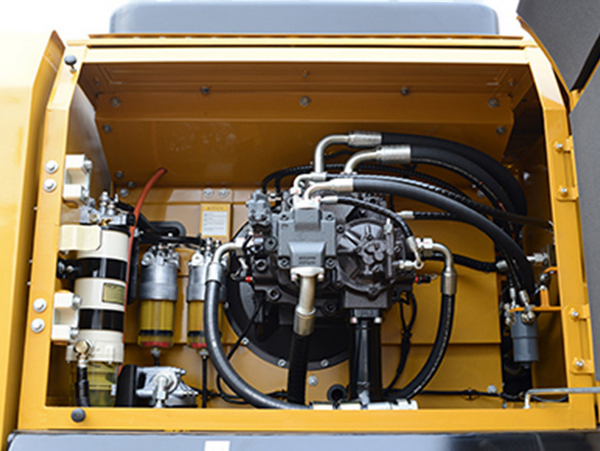
Hydraulic Oil Overheating Solution Skills
1557View · 2025-03-26
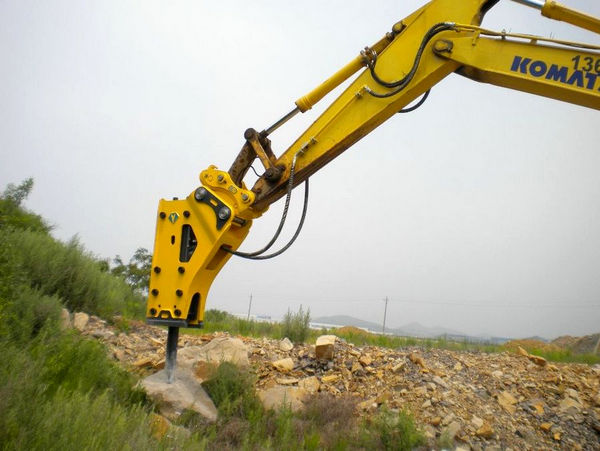
Scientific Use Of The Crushing Hammer
1801View · 2025-03-14
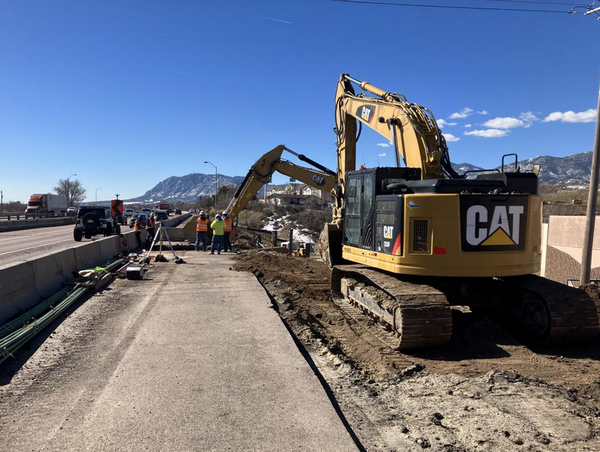
Tips About Excavator Lifting
1807View · 2025-02-18
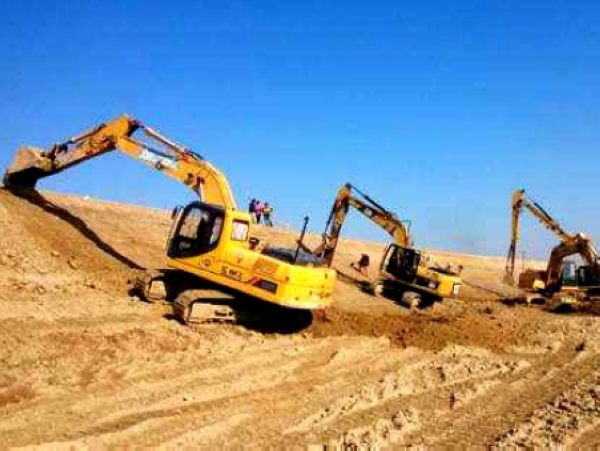
Excavator Brush Technique Tips
1802View · 2025-01-14
Excavator Ten Inspection Items
1711View · 2024-12-24
2020-07-08
2020-08-24
2019-12-25
2020-01-21
2019-11-01
2019-10-15
2021-02-01
2021-01-14
2020-12-11
2020-10-26
2020-07-04
2020-09-30

+86-532-8579-6888
+86-532-8579-6888
+86-138-1796-0597
+86-189-5203-1496
Suite 2505, Block A, China Railway Qingdao Center, No. 8 Hong Kong Middle Road, Shinan District,Qingdao, Shandong Province, China